
In the world of global logistics, speed is rarely about a single mode of transport; it is about how effectively you can hand off cargo from one environment to another. If your supply chain relies solely on road haulage or independent air freight, you are likely leaving money and time on the table. Multi-Modal Synchronization is the secret weapon used by industry leaders to slash transit times and optimize landed costs.
What is Multi-Modal Synchronization?
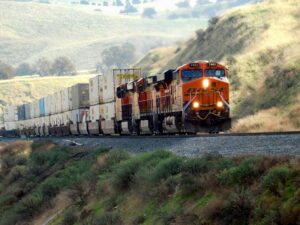
At its core, synchronization is the art of moving goods under a single contract, utilizing two or more modes of transport, such as sea, rail, and road, so that the transition between them is invisible to the shipment. Instead of managing separate contracts with a steamship line, a rail operator, and a trucking firm, you unify the process to eliminate the “dead time” that occurs at ports and terminals.

3 Ways Synchronization Lowers Your Costs
- Reduced Demurrage and Detention: By syncing the arrival of a vessel with the availability of Tanzania SGR Rail or road transport, you bypass terminal congestion. You aren’t paying for storage; you are paying for movement.
- Optimized “Landed Cost”: Not every mile needs to be covered by high-cost air freight. By intelligently combining the low-cost volume of Sea Freight with the inland speed of rail, you maintain a competitive price point without sacrificing your delivery schedule.
- Unified Accountability: When your entire Multi-Modal Connectivity strategy is managed by a single partner, you eliminate the “blame game.” You get a single point of contact for your Digital Intelligence & Tracking, meaning you always know exactly where your goods are in the hand-off process.

Moving Beyond the “Disconnected” Supply Chain
Most traditional businesses suffer from “siloed” logistics, where each segment of the journey is managed independently. This inevitably leads to communication gaps and regulatory delays at borders. By choosing a partner who specializes in Customs & Last-Mile integration, you ensure that as your goods arrive at the Dar es Salaam Port, they are already cleared and waiting for their next connection.
Synchronized logistics isn’t just a technical upgrade; it is a fundamental shift in how you scale your business. It allows you to move faster, spend smarter, and stay ahead of the competition in a volatile market.